Henry Hampton Collection
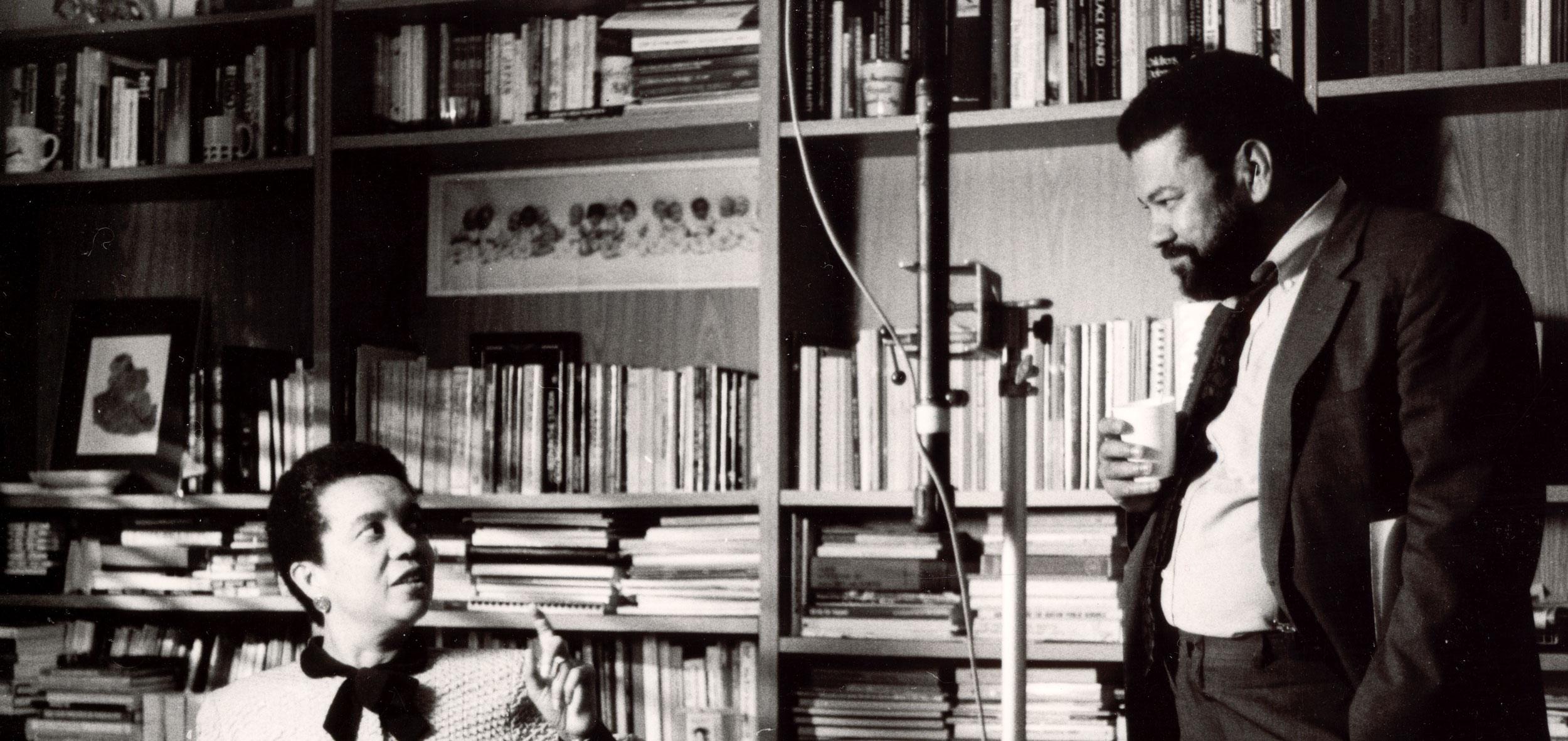
Henry Hampton (1940-1998) was a St. Louis native and a 1961 graduate of Washington University. In 1968, he established his Boston-based company Blackside, Inc., which quickly became the largest African-American-owned film production company of its time. Hampton’s work in documentary film chronicled the 20th century’s great political and social movements focusing on the lives of the poor and disenfranchised.
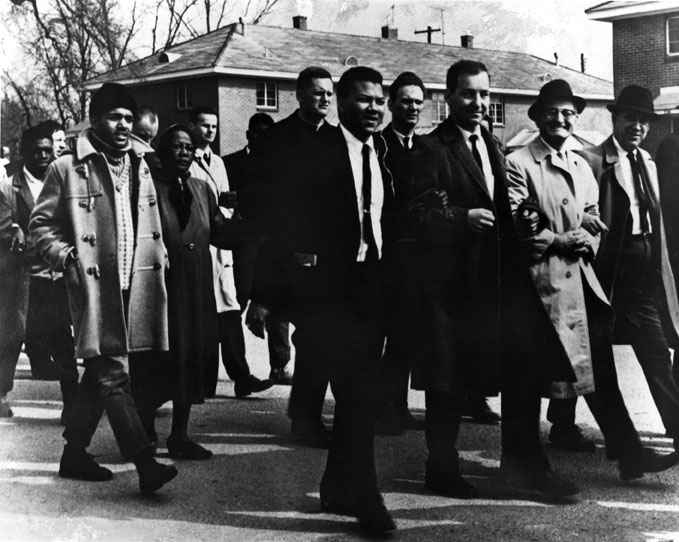
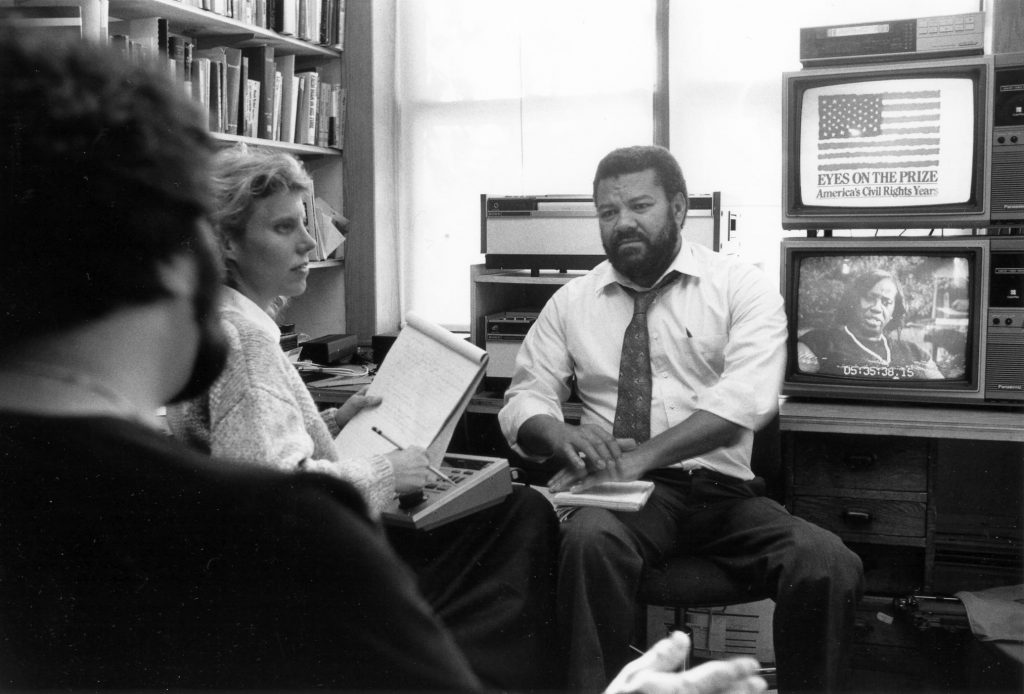
Hampton originally aspired to be a fiction writer but the circumstances of his life and upbringing in the segregated city of St. Louis during the ‘50s and ‘60s led him to his great subject: the civil rights movement. Hampton’s involvement in the 1965 protests in Selma, Alabama created the idea for a film in his mind, but it would take twenty years to bring that story to the twenty million viewers who saw Eyes on the Prize. The series chronicled the epic struggle of unknown heroes, as well as the leaders of the movement. Hampton interviewed key people who had previously been unknown to historians, and he used innovative documentary film techniques to present the story. Decades after its release, Eyes on the Prize is still considered the definitive work on the civil rights movement. The Boston Globe praised the series as “one of the most distinguished documentary series in the history of broadcasting.”
Hampton’s other documentaries include The Great Depression (1993), Malcolm X: Make It Plain (1994), America’s War on Poverty (1995), Breakthrough: The Changing Face of Science in America (1997), I’ll Make Me a World: A Century of African-American Arts (1998); Hopes on the Horizon (1999) and This Far by Faith (2003). Hampton and his production company, Blackside, garnered many awards over the years including a Peabody Award in Excellence in broadcast journalism, and episodes of Eyes on the Prize were nominated for an Academy Award and received two Emmy Awards. Beyond the civil rights movement, Hampton’s documentaries cover social justice issues, Africa, poverty, religion, and African-Americans in the arts and science.
The 35,000-plus items in the Henry Hampton Collection include unique filmed interviews with key figures in the civil rights movement. As is true for most film productions, the outtakes often comprise the bulk of the material, and these interviews represent a vast resource. The digital projects, Eyes on the Prize: The Complete Interviews and The Great Depression Interviews, make the content of these interviews available to scholars, researchers, and historians. Other material includes rare stock footage, photographs, scripts, storyboards, producers’ notes, correspondence, film production elements, study guides, books, and other materials. There are many treasures in the Hampton Collection and the materials are a rich resource for anyone interested in the process of filmmaking and the wide subject matter Hampton delved into in this work.
Washington University Libraries preserves and promotes the Henry Hampton Collection for educational and scholarly use by students, faculty, and filmmakers as well as by institutions and individuals in the surrounding community and beyond.
Digitized Material from the Henry Hampton Collection
Eyes on the Prize
Researchers, scholars, and the general public can view the complete interviews with the accompanying transcripts from the groundbreaking series Eyes on the Prize, produced by filmmaker Henry Hampton.
Eyes on the Prize is a 14-part series that was originally released in two parts: Eyes I in 1987 and Eyes II in 1990. This series debuted on PBS stations and is considered to be the definitive documentary on the Civil Rights Movement.
The digitization and reassembly of all of the interviews from Eyes on the Prize were made possible by grants from the National Historical Publications and Records Commission (NHPRC) and the National Endowment for the Humanities (NEH).
Explore the preserved and digitized interviews from Eyes on the Prize.
The Great Depression
Researchers, scholars, and the general public can view the complete interviews with the accompanying transcripts from the groundbreaking series The Great Depression produced by filmmaker Henry Hampton.
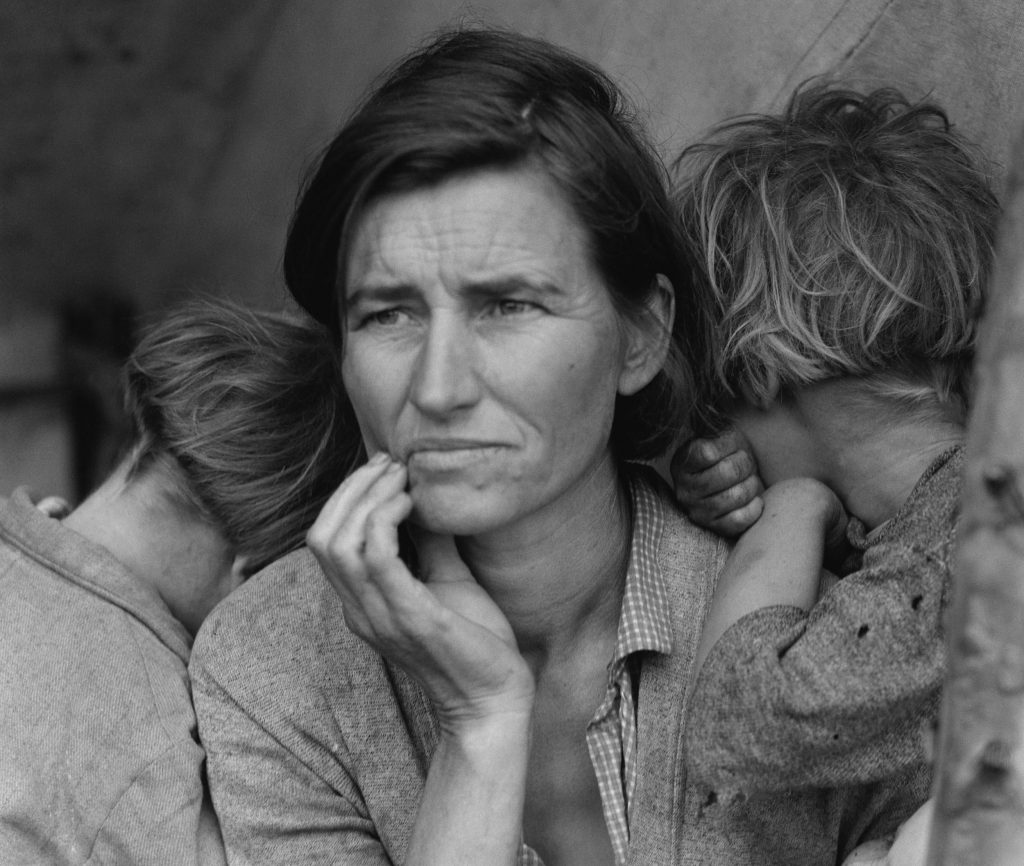
From the stock market crash of 1929 to the beginnings of World War II, The Great Depression tells the dramatic and diverse stories of struggle and survival during the worst economic crisis in U.S. history. Originally debuting on PBS stations in 1993, the 7-part series was met with critical acclaim, winning an Emmy for writing and a duPont-Columbia Award.
Celebrating Henry Hampton and His Legacy
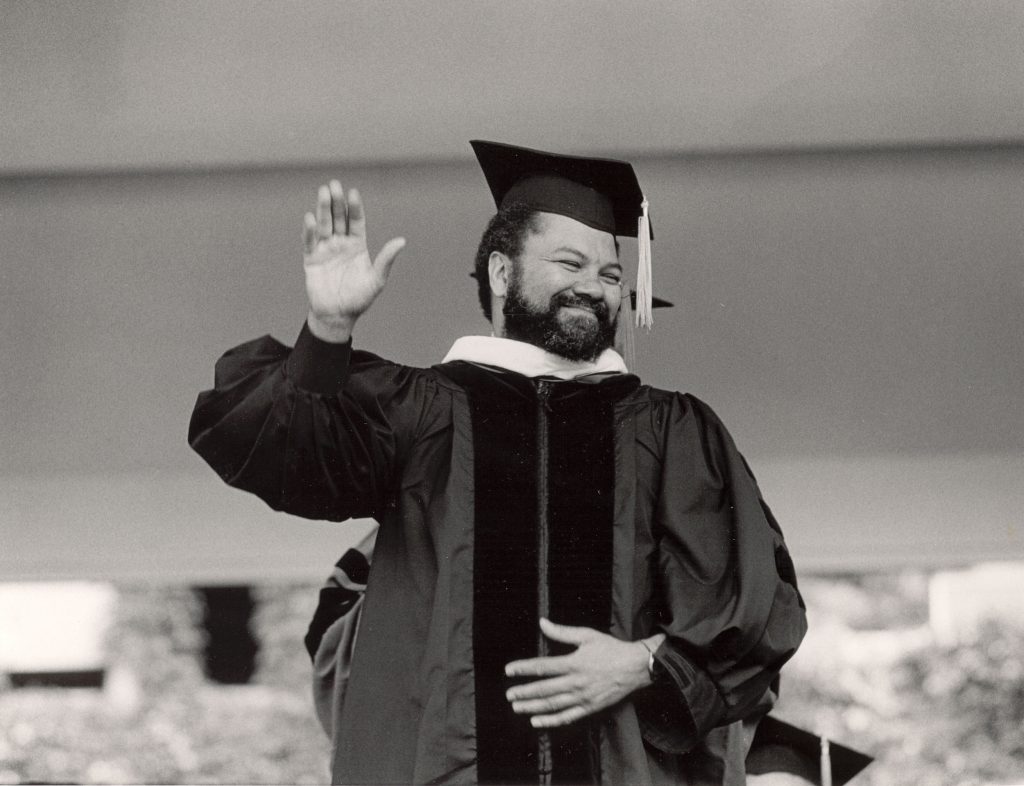
“We did not choose particularly popular subjects. But we have to do it because without understanding the nature of history we are weakened in our approach in dealing with any current reality.”
Henry E. Hampton Jr.
Keynote Address by Julian Bond – at the opening of the Film & Media Archive, September 20, 2002
On the very first page of his book Voices of Freedom, Hampton addresses the reader “We are privileged in this life if we are given the opportunity to do important work… work that touches our fellow human beings in a positive and uplifting way.” Writing about the Eyes on the Prize series, Hampton acknowledges the significance of his project in chronicling the history of the civil rights movement and the stories of those individuals who led, organized, and were involved in the extraordinary events of those times. Hampton and his team at Blackside were aware of the importance of their work and the powerful lessons of this history were not lost on them, as evidenced by the meticulous detail in which they gathered their stories and documented their processes.
The thoroughness and thoughtfulness that went into a Hampton/Blackside production are evident in the materials that make up his archive. Like Voices of Freedom, which came about because only a fraction of the materials that Hampton gathered could be used in the finished televised program, his collection demands continual assessment and generation of resources that inform, inspire, and move people.
As Hampton felt privileged, we at the Film & Media Archive similarly feel privileged to preserve his collection. Few people who spend any significant time in the archive are not affected and inspired by the power of the materials he has gathered and created. Hampton put excellence and innovation at the forefront of his work and this is reflected in his finished films and the breadth and depth of the archival materials in his collection.
Henry Hampton Film Series
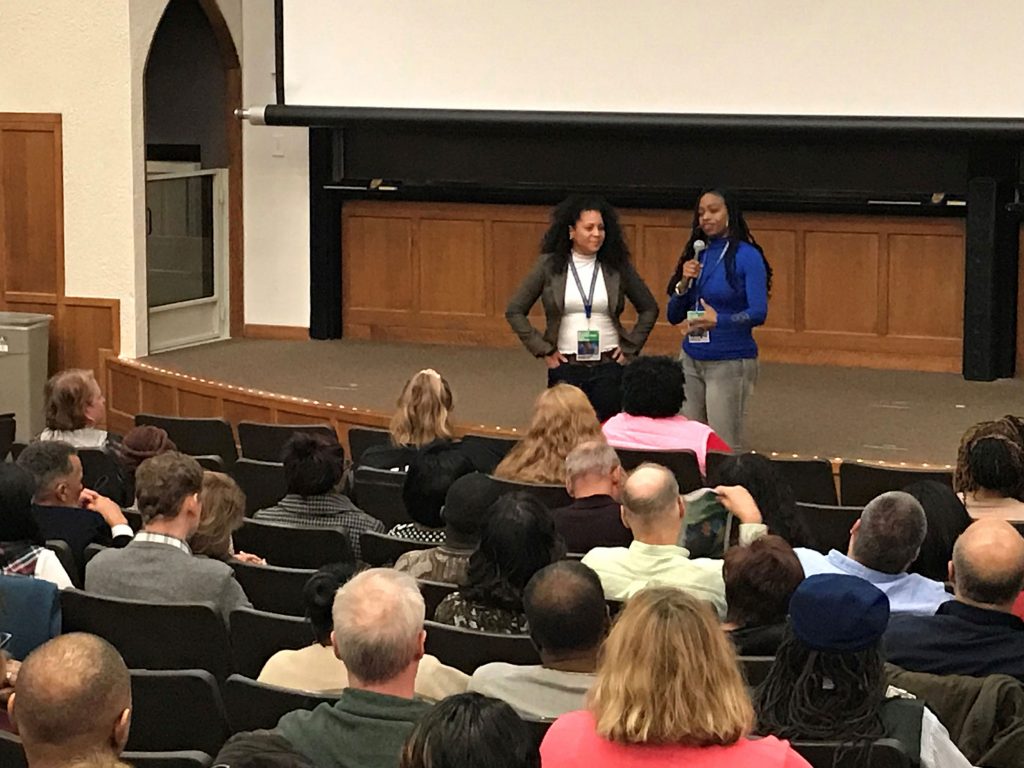
The Henry Hampton Film Series premiered in 2014 and seeks to share documentary films made by filmmakers of color or that depict the stories of often underrepresented groups with a focus on the African American experience. The Henry Hampton Film Series is a great opportunity for audiences to see first-run documentaries before their general release and to meet and talk to visiting filmmakers. The Henry Hampton Film Series is a co-presentation of the Washington University Libraries and Cinema St. Louis.
Henry Hampton (1940-98) was a St. Louis native and 1961 graduate of Washington University. In 1968, he established his Boston-based company Blackside, Inc. Blackside quickly became the largest African-American-owned film production company of its time. Hampton’s works chronicle the 20th century’s great political and social movements, focusing on the lives of the poor and disenfranchised.
The Henry Hampton Collection is housed at Washington University Film & Media Archive. The 35,000-plus items in the Collection include film and videotape, photographs, scripts, storyboards, producers’ notes, interviews, music, narration, posters, study guides, books, and other materials.
Previous screenings in the Henry Hampton Film Series
Selected Q&A discussions available via our YouTube channel.
- River City Drumbeat, Q&A with directors Anne Flatté and Marlon Johnson; moderated by Andy Uhrich, curator of Film & Media at Washington University Libraries
- Unapologetic, Q&A with director Ashley O’Shay; moderated by Tila Neguse, project coordinator of The Divided City Initiative at the Center for the Humanities at Washington University
- The Apollo with producer Lisa Cortés, SLIFF Women in Film Award honoree
- Sighted Eyes/Feeling Heart, Q&A with director/producer Tracy Heather Strain and producer Randall MacLowry
- An Evening With Jon Else – Screening of an episode of Eyes on the Prize and Q&A discussion with Jon Else, author of True South: Henry Hampton and ‘Eyes on the Prize,’ the Landmark Television Series That Reframed the Civil Rights Movement
- Tell Them We Are Rising; there is an additional Q&A Session with co-director and SLIFF Contemporary Cinema Award honoree, Marco Williams
- Maya Angelou: And Still I Rise, Q&A with co-director Rita Coburn Whack, interviewee Alice Windom, and Poet Laureate of East St. Louis, Eugene Redmond
- Paris Is Burning, Q&A with featuring Steve Brawley of the St. Louis LGBT History Project along with performers Leon Braxton (aka Dieta Pepsi) and Maxi Glamour
- Agents of Change, co-director Abby Ginzberg’s page on the film; Frank Dawson co-directed
- The Black Panthers: Vanguard of the Revolution, Q&A with producer Laurens Grant
- Scarred Justice: The Orangeburg Massacre 1968, Q&A with producer Judy Richardson
- Streets of Greenwood (1963) and Lay My Burden Down (1966), Q&A with filmmaker Jack Willis
- 3 1/2 Minutes, Ten Bullets, Q&A with Lucy McBath and Ron Davis, the parents of Jordan Davis
- Through A Lens Darkly, Q&A with filmmaker Thomas Allen Harris
Access these Materials
Search the Henry Hampton Collection on MavisWeb
Browse the Film & Media Archive’s YouTube Channel
Explore the first series of Eyes on the Prize Interviews
Contact
- Department
- Library
- Name
- Andy Uhrich
- Job Title
- Curator of Film and Media
- Email Address
- jauhrich@wustl.edu
- Phone Number
- (314) 935-3301