University Archives
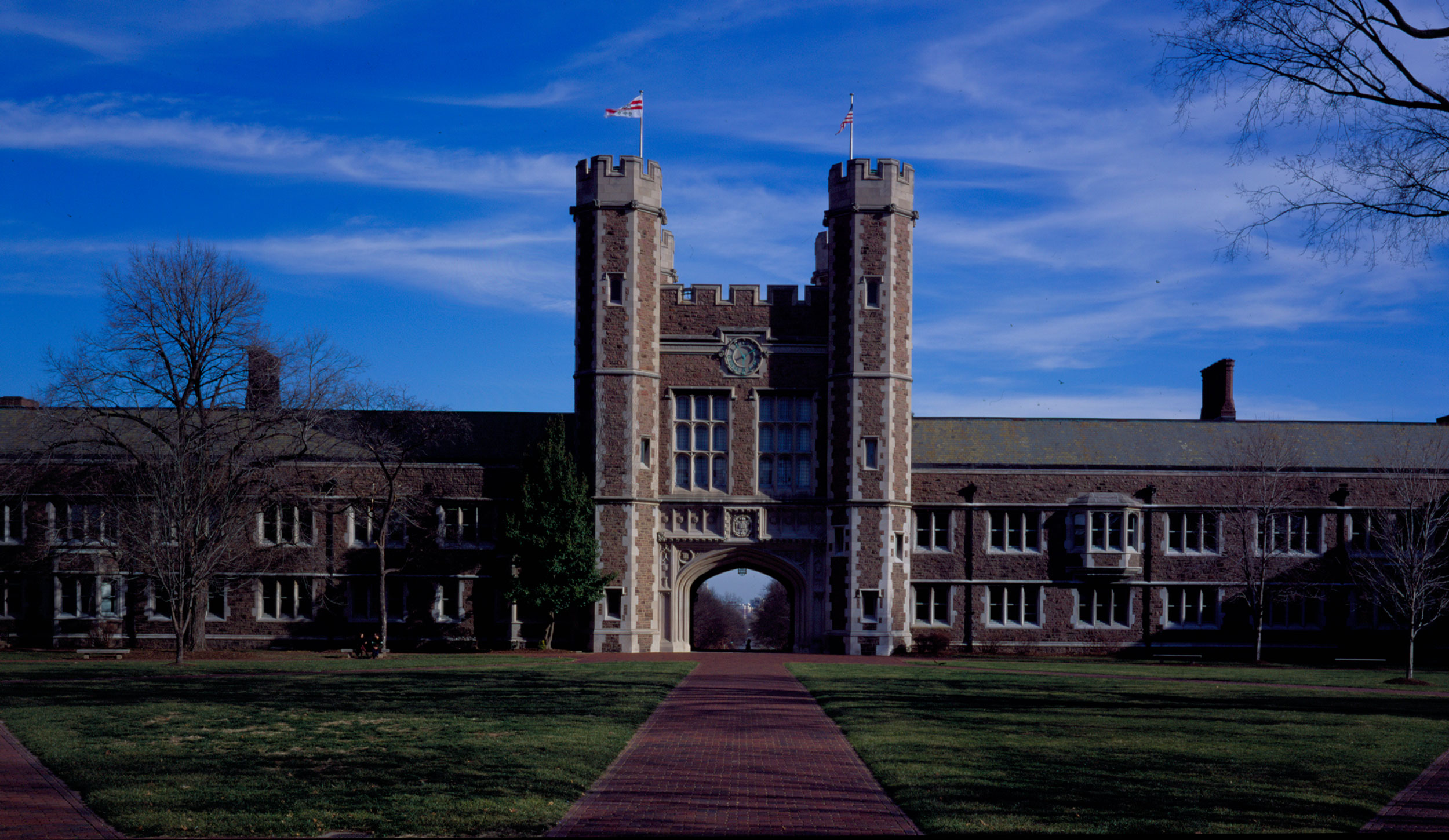
Washington University Archives
Washington University Archives chronicles the history of Washington University in St. Louis from 1853 to today, with over 300 unique collections including campus publications, reports, photographic prints and negatives, books, film, sound recordings, oral histories, architectural plans, and artifacts.
Search the University Archives Collections on ArchivesSpace
Explore the Washington University Archives Research Guides
Using Archives: A Guide to Effective Research
-
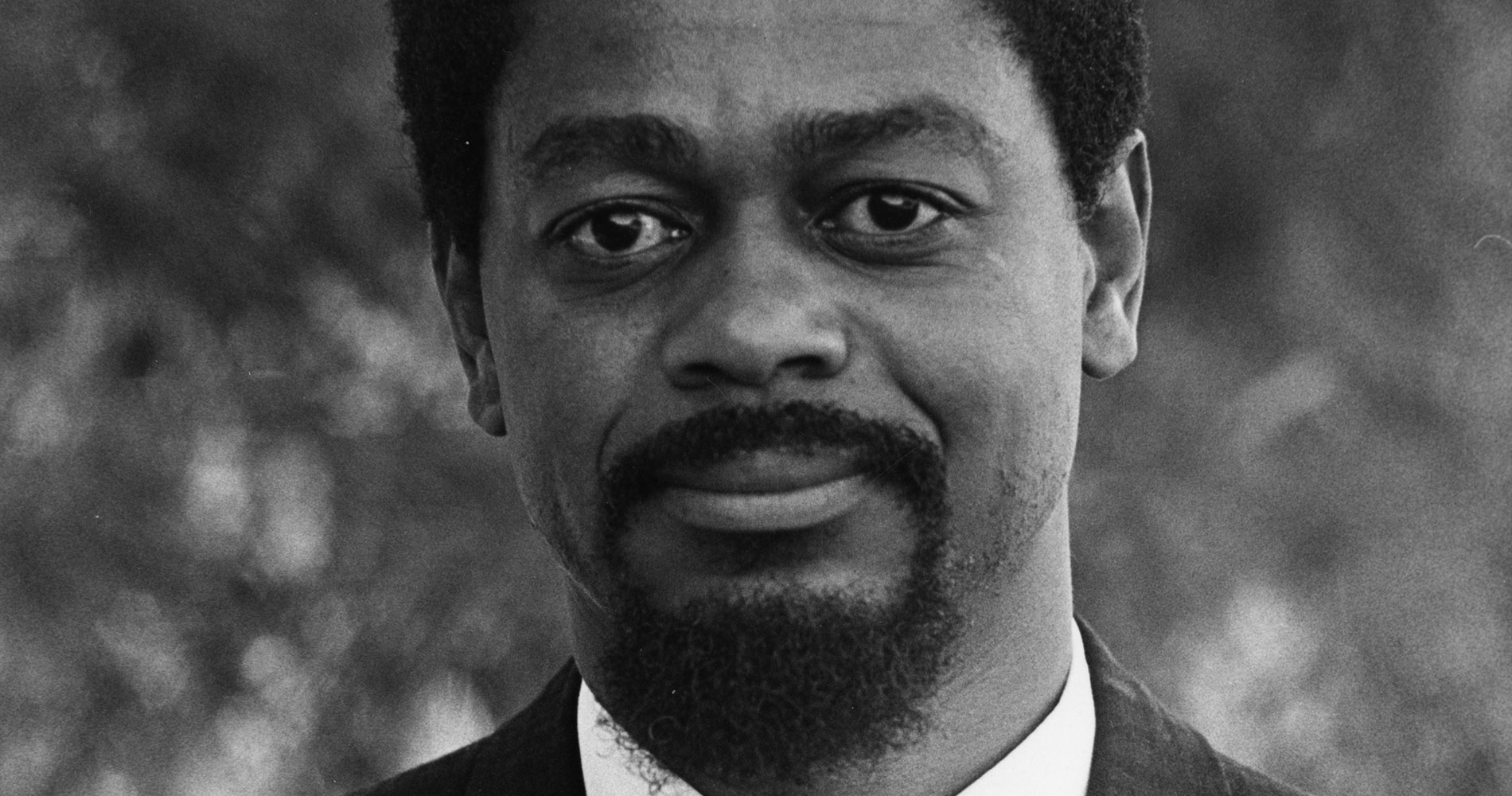
Collection Jack A. Kirkland Papers
Jack Kirkland has been part of the Brown School of Social Work faculty for over 50 years. He began his...View Collection about Jack A. Kirkland Papers -
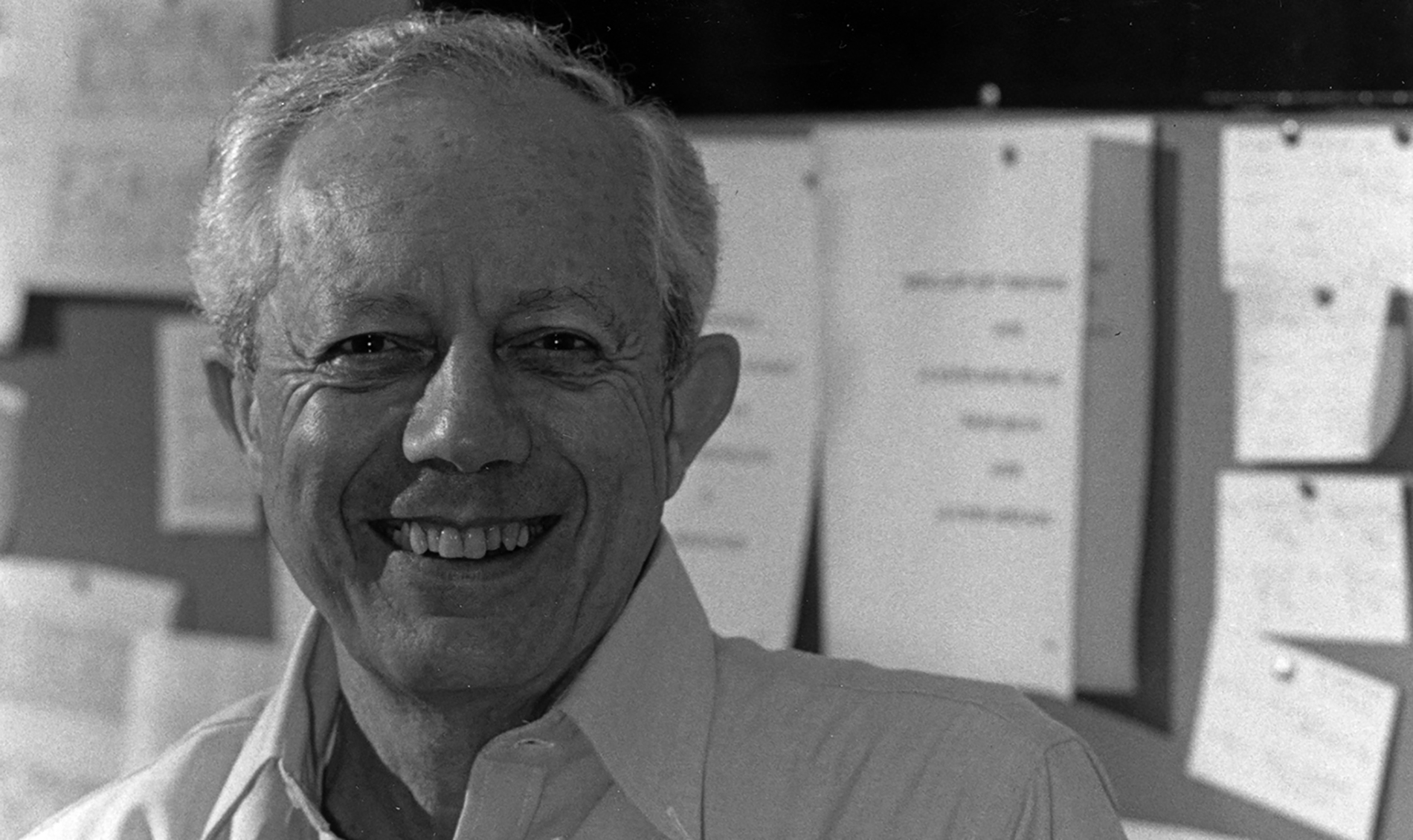
Collection Michael W. Friedlander Papers
Washington University professor of physics Michael W. Friedlander (1928-2021) led a life dedicated to his family and students at Washington...View Collection about Michael W. Friedlander Papers -
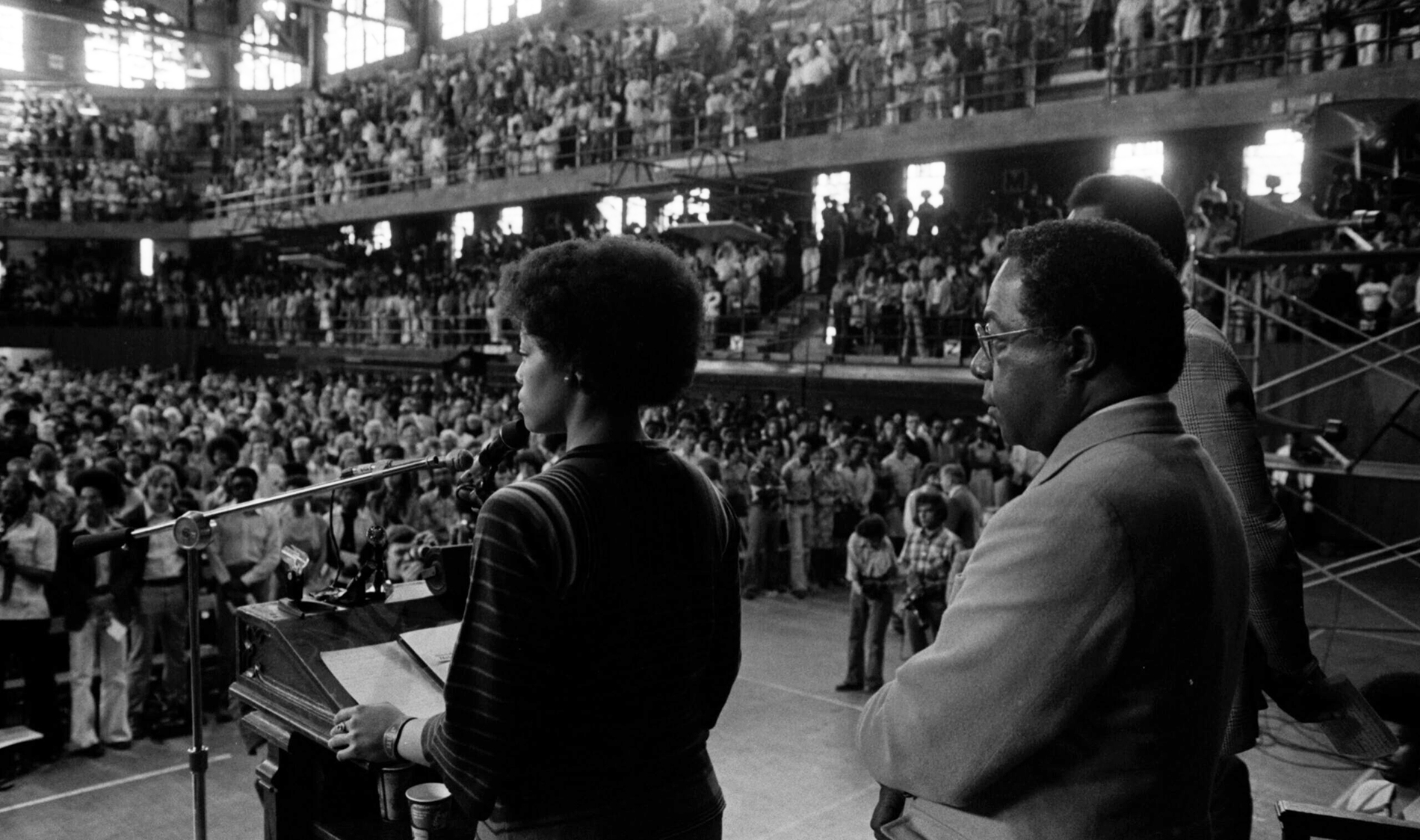
Collection Assembly Series Lectures
The Assembly Series Lectures in University Archives is a collection of public lectures held at Washington University.View Collection about Assembly Series Lectures -
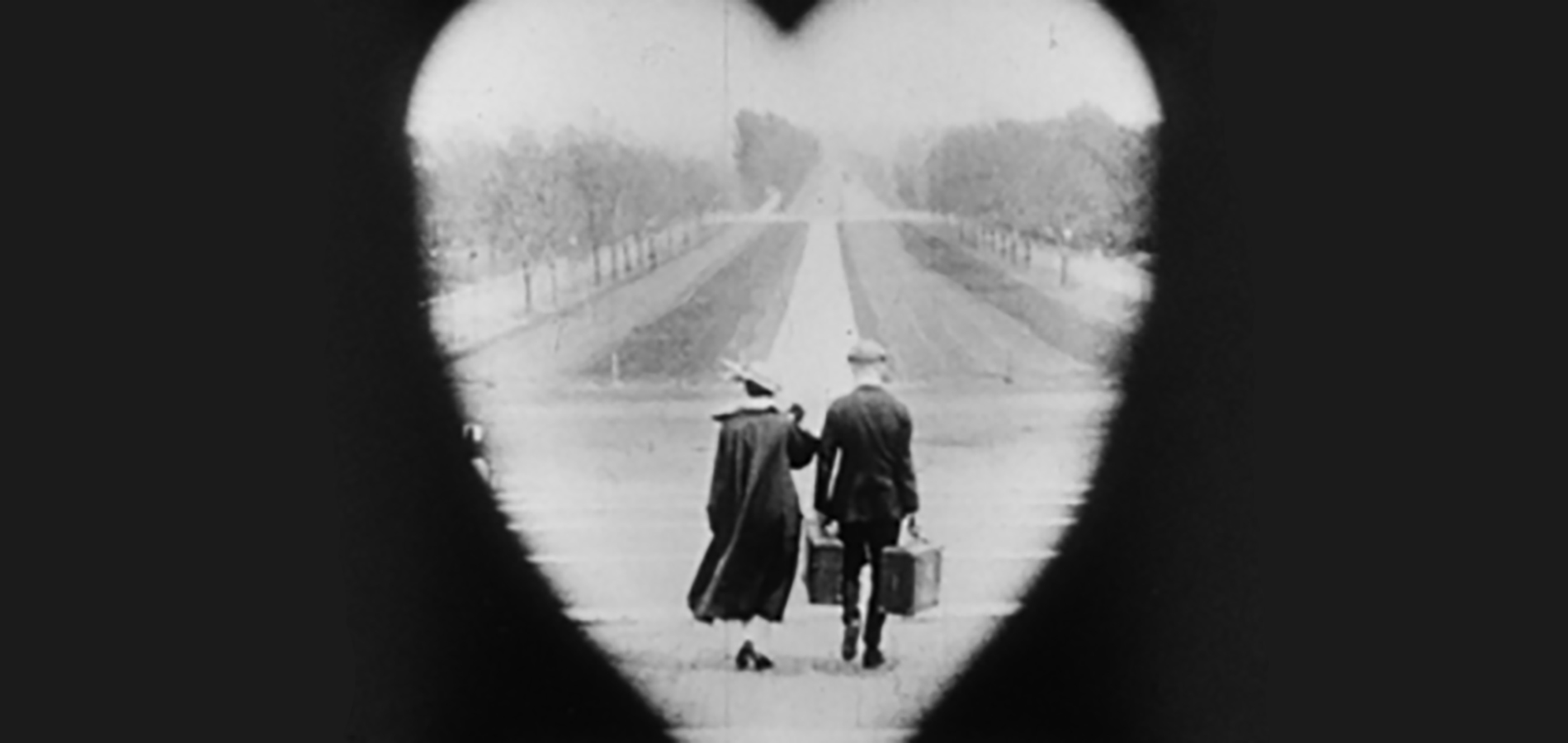
Collection The Maid of McMillan Student Film, 1916
The Maid of McMillan is a silent film written and produced by Washington University in St. Louis students in the...View Collection about The Maid of McMillan Student Film, 1916 -
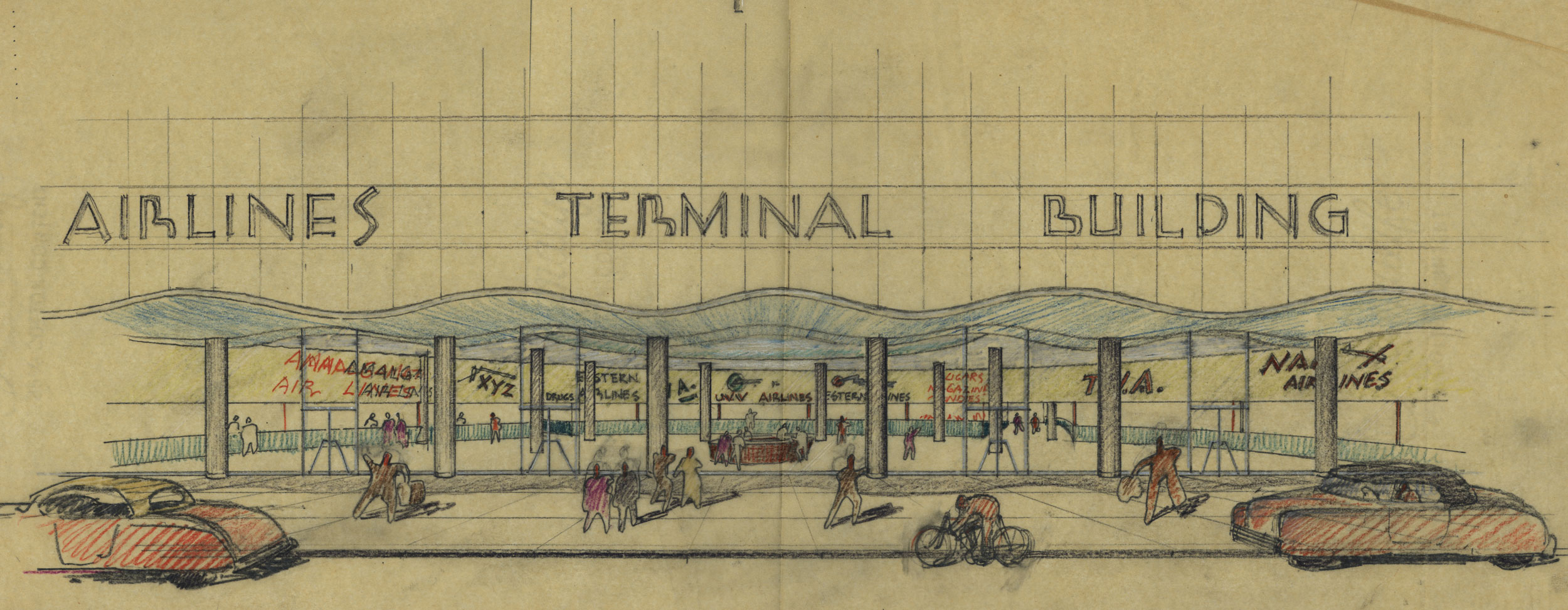
Collection St. Louis Architecture Collections
Detailed original drawings for notable local structures along with documents from architectural firms.View Collection about St. Louis Architecture Collections -
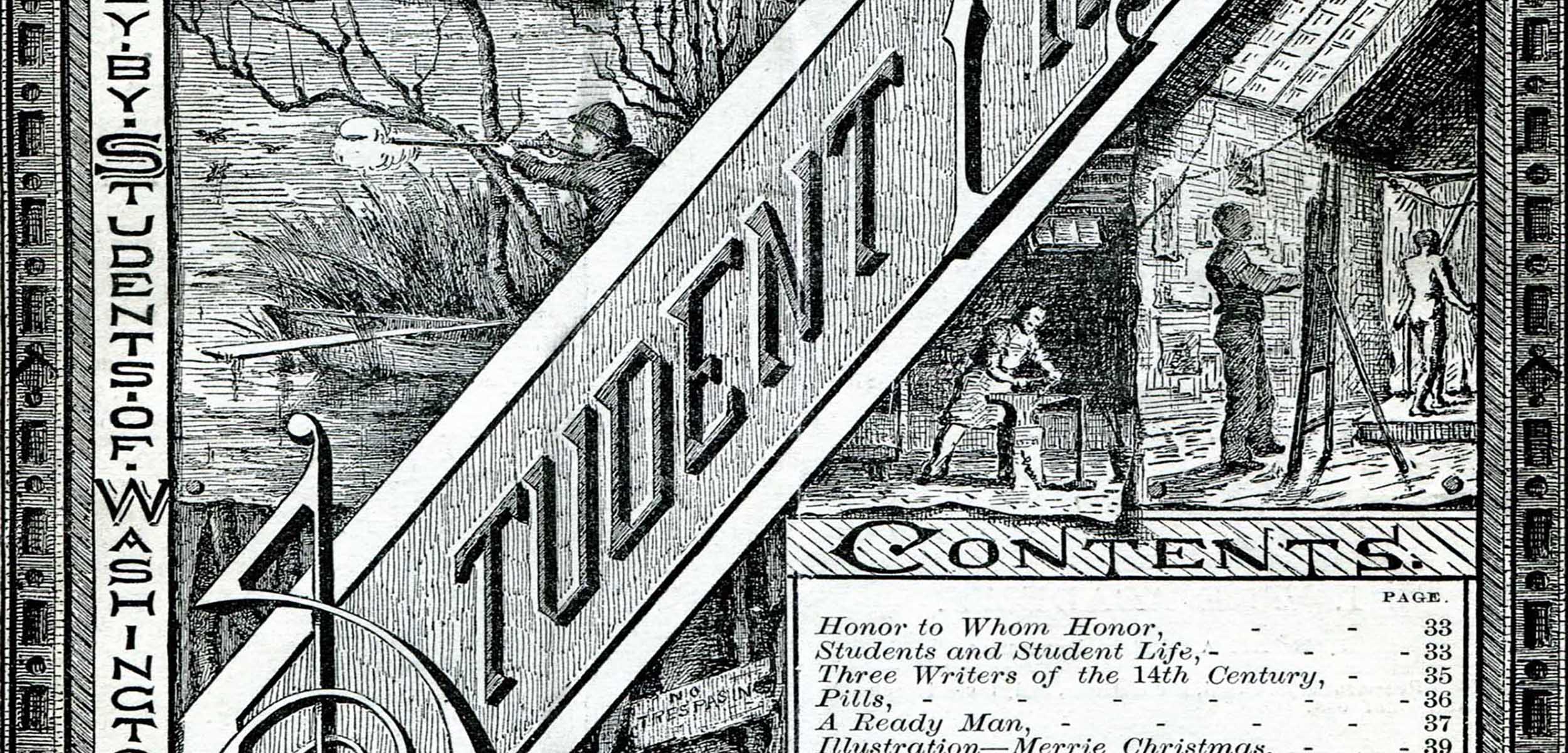
Collection University Publications Collections
Repository for publications such as the University newspaper, alumni publications, departmental newsletters, admission publications, and more.View Collection about University Publications Collections -
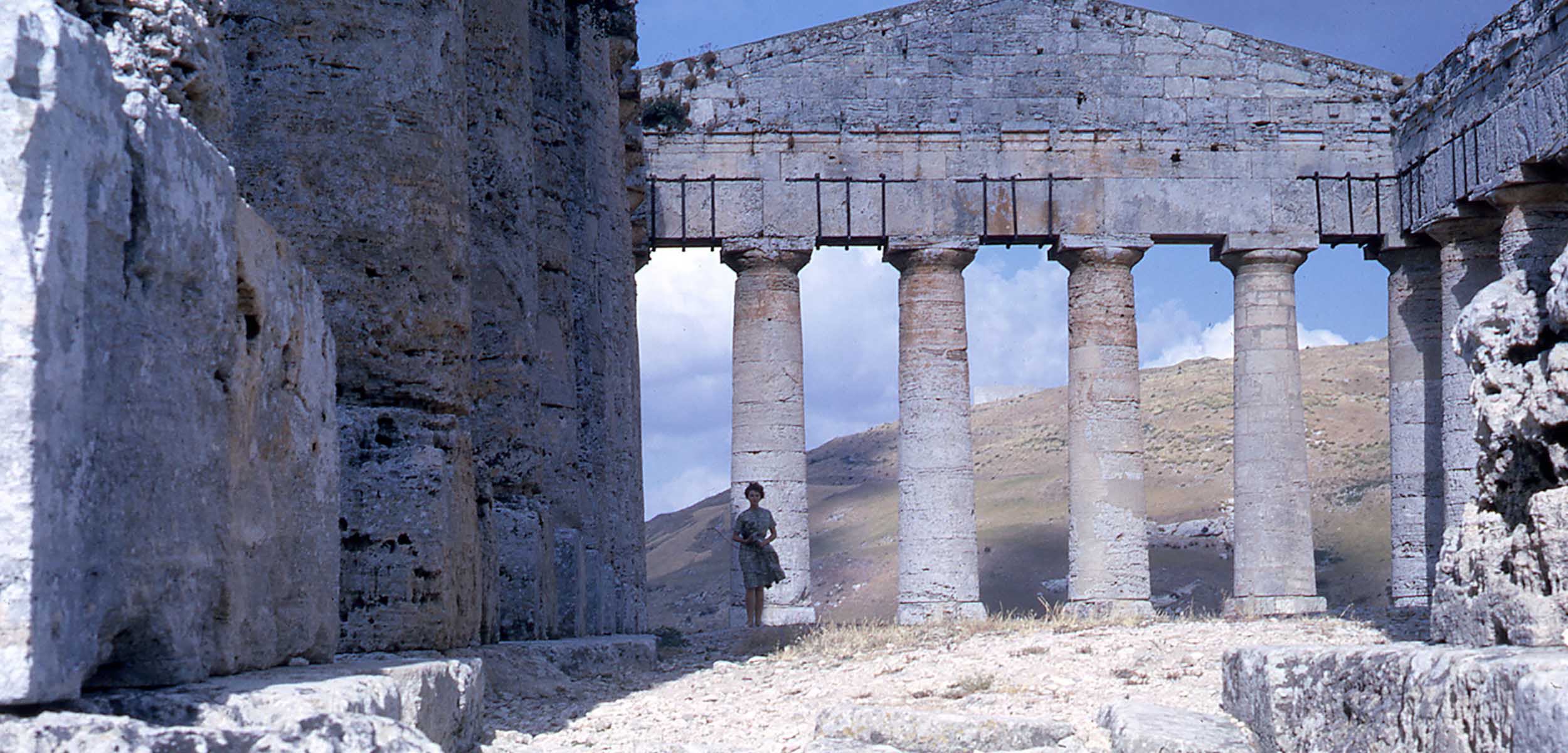
Collection Professor Kevin Herbert’s Slide Collection
The Kevin Herbert Papers include a small selection of slides used in his coursework on the subjects of Alexander &...View Collection about Professor Kevin Herbert’s Slide Collection -
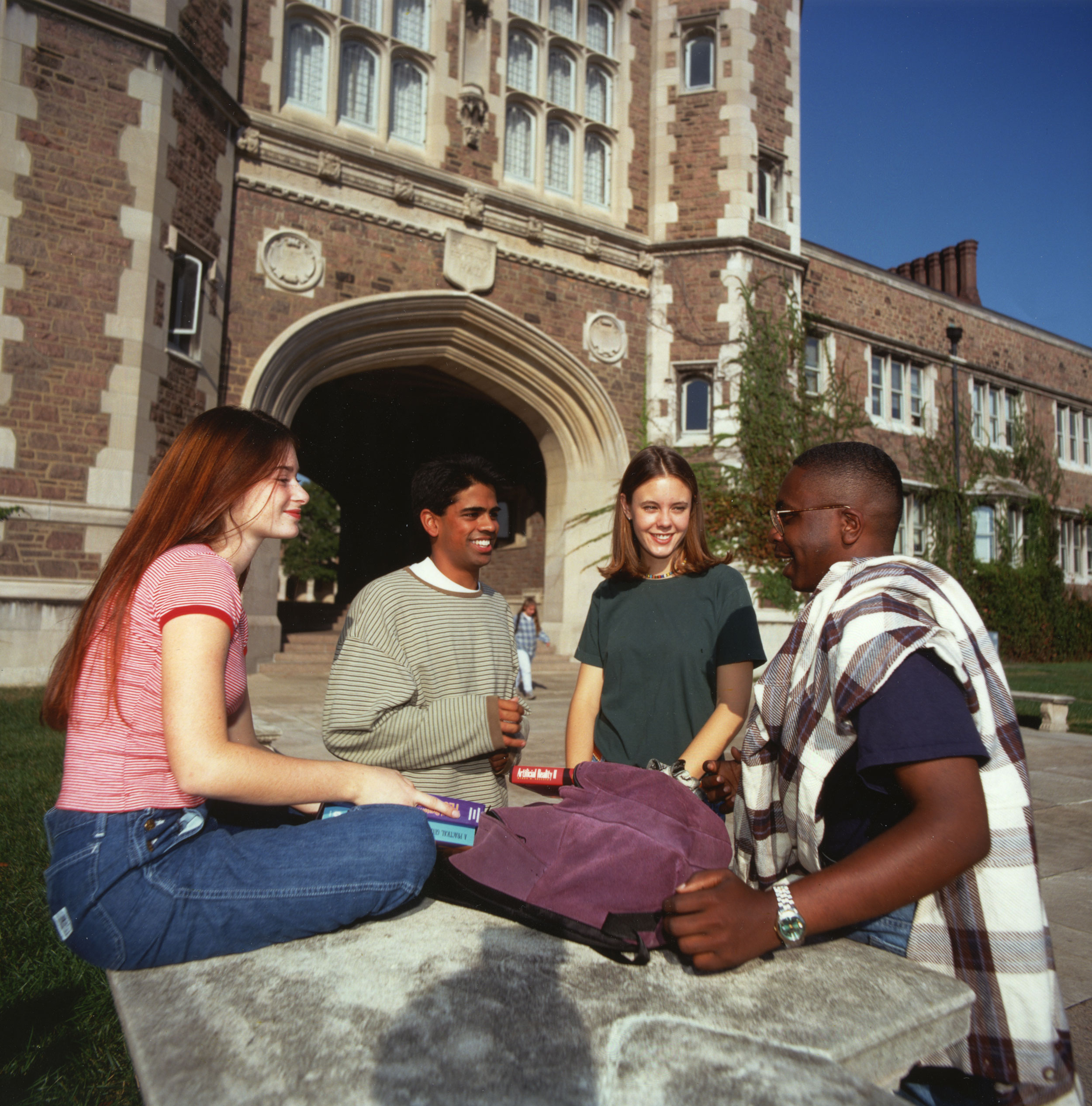
Collection Student Groups’ Collections
Student Groups' Collection contains photos, memorabilia, and more from student groups on campus.View Collection about Student Groups’ Collections -
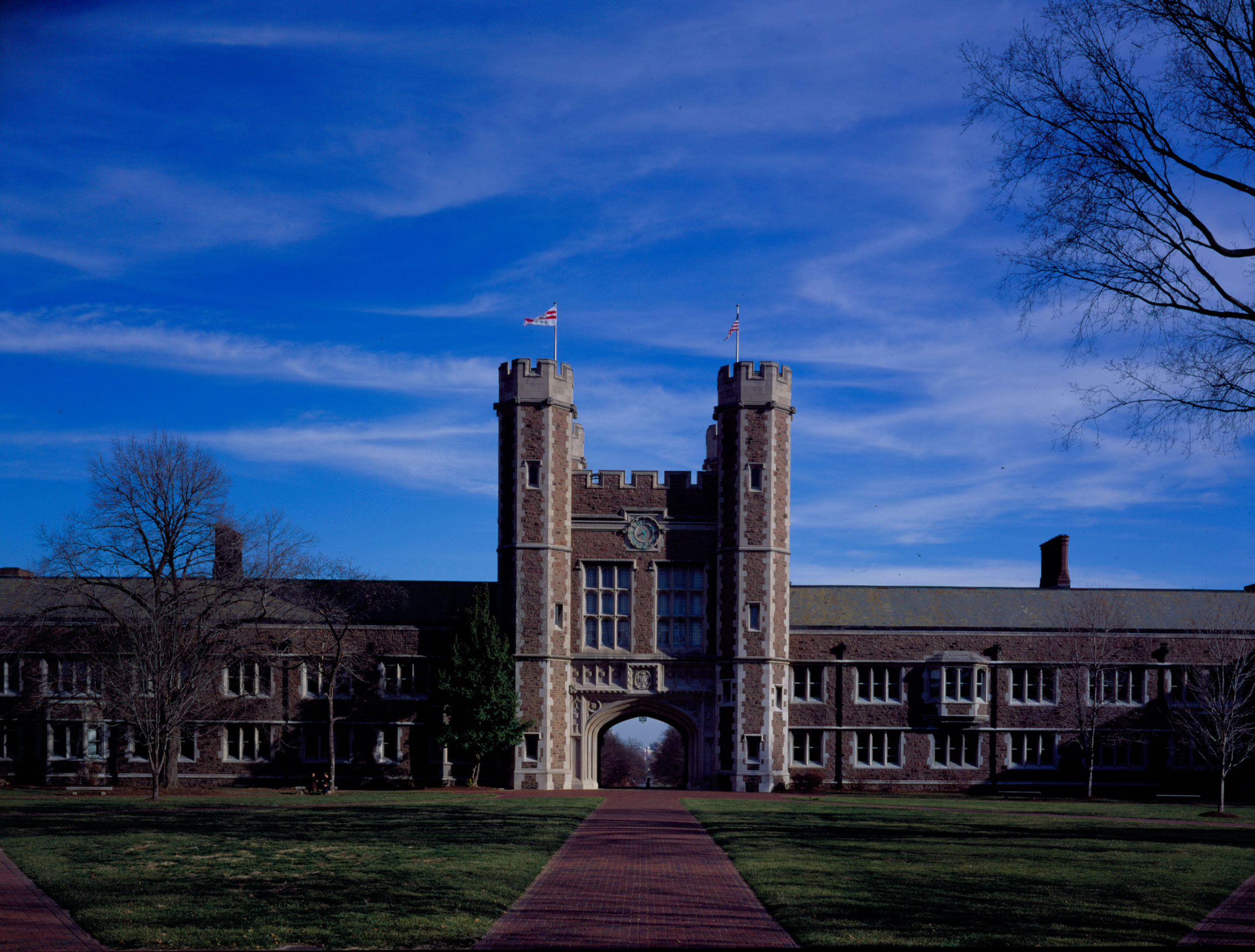
Collection University Records Collections
University Records consist of records created in campus departments and offices.View Collection about University Records Collections -
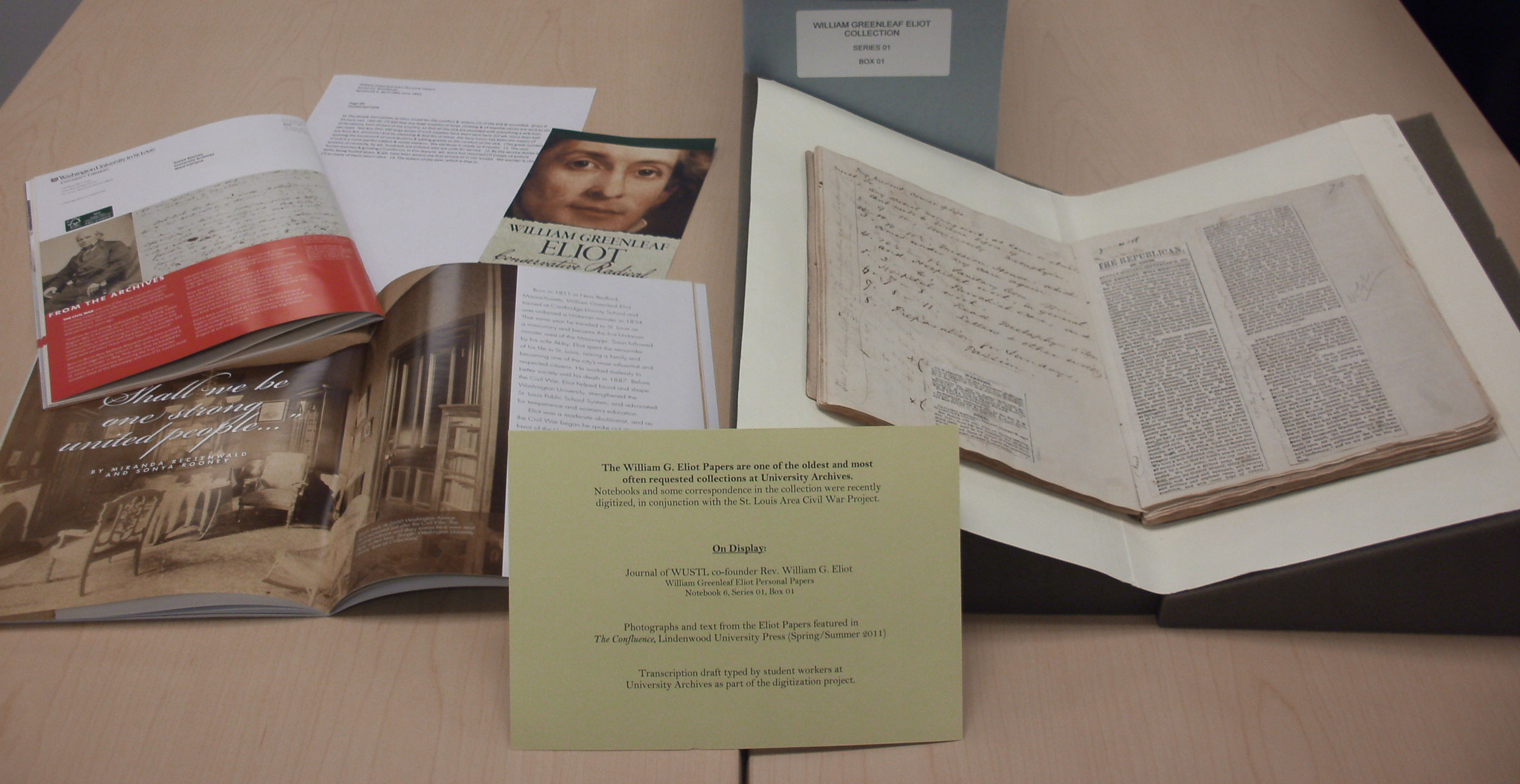
Collection Faculty and Administrators’ Collections
Syllabi, examples of exams and assignments, research correspondence, and reports collected by Washington University faculty and administrators.View Collection about Faculty and Administrators’ Collections -
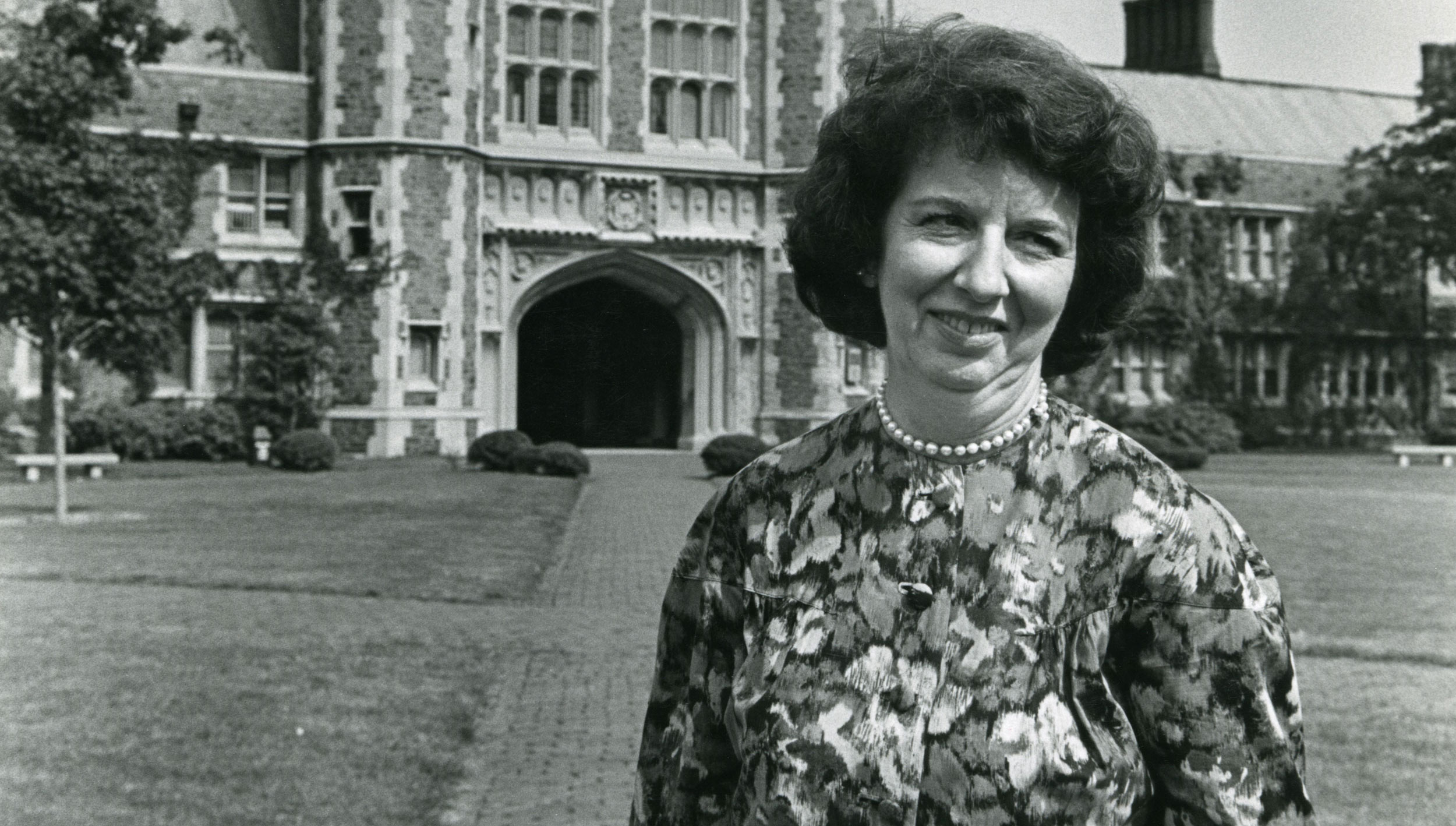
Collection Alumni Collections
Alumni collections document specific students’ time at the university through related ephemera.View Collection about Alumni Collections -
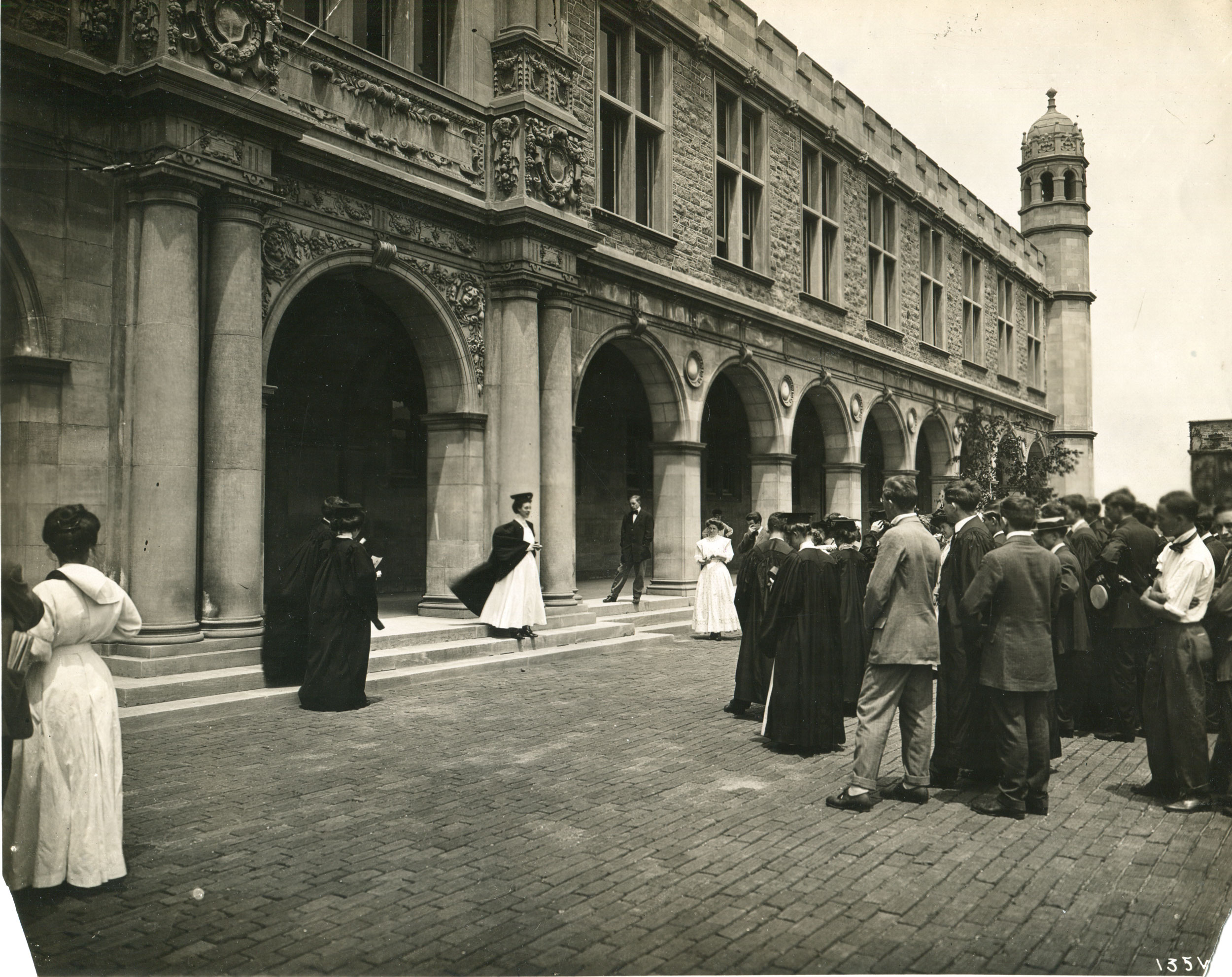
Collection Commencement Collection
Washington University commencement programs from 1856 to the present.View Collection about Commencement Collection
Collecting Areas
Digital Collections
Digital Collections highlight those portions of the Julian Edison Department of Special Collections that have been made or born-digital.
Dowd Illustration Research Archive
The Dowd Illustration Research Archive (formerly Dowd Modern Graphic History Library) at Washington University is comprised of original art and printed material from many fields of popular American pictorial graphic culture.
East Asian Library Special Collections
The East Asian Library houses about 800 volumes of rare and special books, manuscripts, and other types of materials in its special collection.
Film & Media Archive
The Archive is committed to the preservation of documentary film and other media which chronicles America's great political and social movements with a particular emphasis on the African-American experience.
Kranzberg Art & Architecture Library Special Collections
The Art & Architecture Special Collections is a 4,200-volume collection of rare and unique art and design printed materials located at the Kranzberg Art & Architecture Library. The main focus is illustrated books, prints, and photographs from the 18th and 19th centuries and contemporary book design.
Local History
The local history collecting area focuses on the history of St. Louis and the surrounding region.
Manuscript Collections
Washington University Libraries' Julian Edison Department of Special Collections Manuscript collections contain a broad range of materials dating from the 2nd century BC through the present.
Modern Literature Collection
The Modern Literature Collection includes more than 175 authors, presses, and journals, with more than 125 of these represented by manuscript materials.
Music Special Collections
Special Collections at the Gaylord Music Library include sheet music, manuscripts, rare books, and digital materials.
Rare Book Collections
The Rare Book Collections include books from all Special Collection areas. The collections’ primary strengths are in the areas of literature; the material culture of the book, including the history of printing, graphic design, and the book arts; and aspects of American and world history.
University Archives
Washington University Archives chronicles the history of Washington University in St. Louis from 1853 to today, with over 300 unique collections including campus publications, reports, photographic prints and negatives, books, film, sound recordings, oral histories, architectural plans, and artifacts.